What is pre-accounting and who should keep it? A plain guide for new businesses
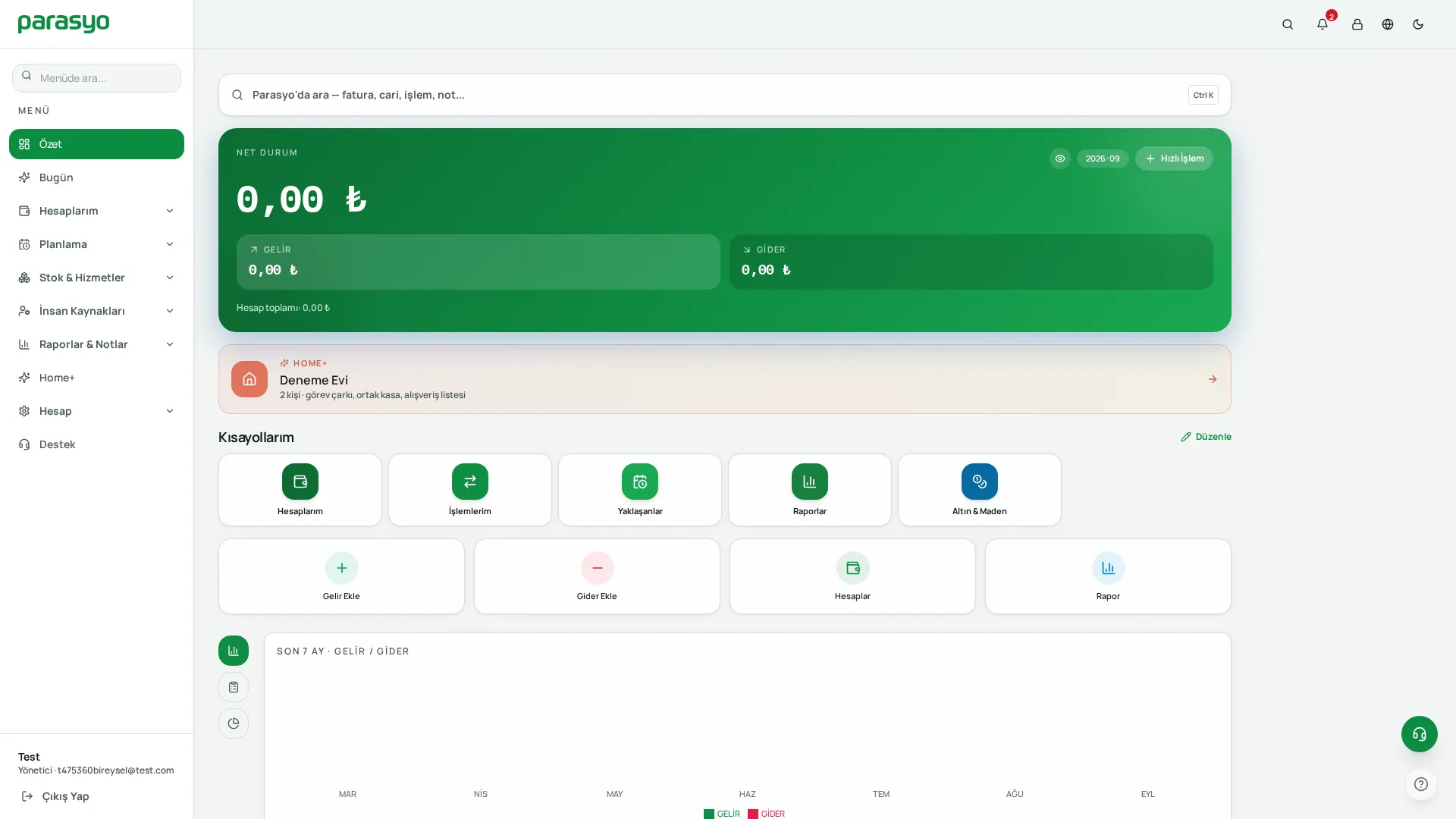
Pre-accounting is the disciplined daily recording of a business's financial movements: cash and bank tracking, customer-supplier (current) accounts, invoices, cheques/notes and stock. Your certified accountant keeps the statutory books; pre-accounting lets you see your business day to day.
What does pre-accounting cover?
- **Cash and bank:** daily cash in/out, account balances
- **Current accounts:** who owes you, whom you owe
- **Invoices and quotes:** tracking issued and received documents
- **Cheques / notes:** due dates and collection status
- **Stock:** how many units of each product remain, critical levels
Who should keep it?
Every selling business, from a one-person shop to a 50-person SME. The "I keep it in my head" era ends with the first late collection. Businesses that keep regular pre-accounting see a cash crisis weeks in advance.
How is it different from your accountant?
The accountant files official declarations; pre-accounting is your operational radar. Good pre-accounting records also make your accountant's job easier and reduce advisory costs.
How to start?
1. Register all your accounts (cash, bank, card) in one place 2. Record every income/expense the same day with its category 3. Open current accounts per customer, enter due dates 4. Review reports weekly
You can set up these four steps for free with ParasyoFree; as your business grows, you move to Parasyo Pro for e-invoicing and the ledger.