5 ways to prevent a cash flow crisis in SMEs
It may seem surprising that a business that looks profitable can go bankrupt. Yet research shows that most small businesses close not because of losses, but because cash flow is poorly managed.
1. Balance collection terms with purchasing terms
If you give customers 60 days but pay suppliers in 30, every sale creates a 30-day financing gap. Compare your term calendars regularly and renegotiate contracts when needed.
2. Forecast cash weekly
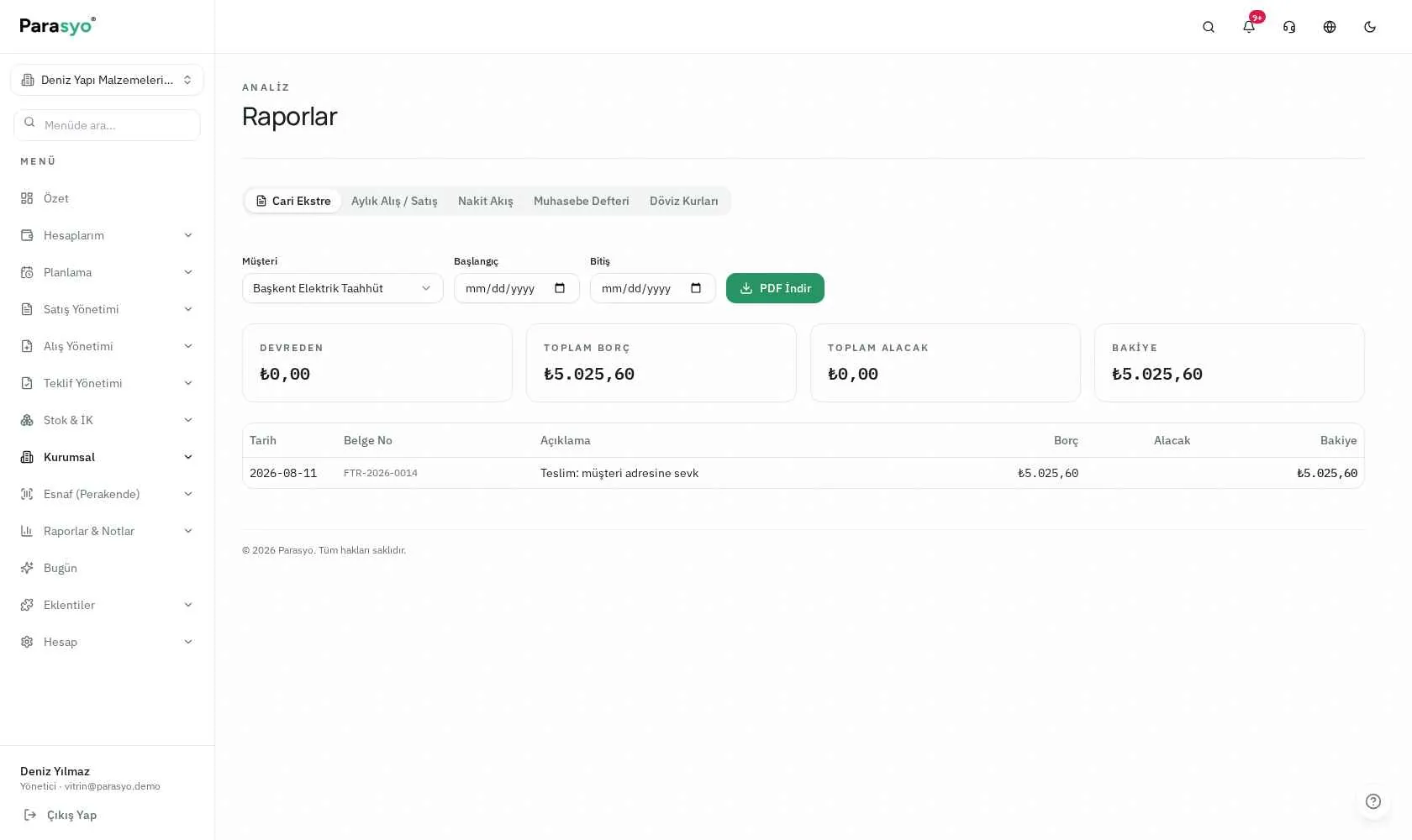
An annual budget is for strategy; cash management needs weekly tracking. See expected collections and payments for the next 8 weeks in a single table. Parasyo's cash flow report generates this automatically.
3. Set up automatic reminders for overdue receivables
Instead of calling about every overdue invoice, use a systematic reminder cadence. Define a clear ladder: email in week one, a call in week two, late fees in week three.
4. Don't leave dead capital in stock
Every product sitting on a shelf is cash that should be in the bank. Identify your slowest-moving 20 percent and plan clearance campaigns.
5. Build a bad-scenario reserve
Keep at least two months of fixed expenses in a separate account. This reserve prevents you from turning to expensive loans during a sudden collection crisis.
Cash flow discipline is a habit you set up once and monitor regularly. With the right tools, that monitoring takes just a few minutes a day.